
Accelerate Wound Healing with Bio Selfmade Plaster
- Michela Burgio
- 9. Dez. 2025
- 4 Min. Lesezeit

Wound healing is a critical aspect of health that often goes overlooked. Whether it's a minor cut or a more significant injury, the speed and effectiveness of healing can significantly impact recovery. Traditional bandages may not always provide the optimal environment for healing, leading to prolonged recovery times and increased risk of infection. Enter bio selfmade plaster—a revolutionary approach that not only accelerates healing but also promotes a healthier recovery process.
In this blog post, we will explore the benefits of bio selfmade plaster, how to create it, and practical tips for using it effectively.
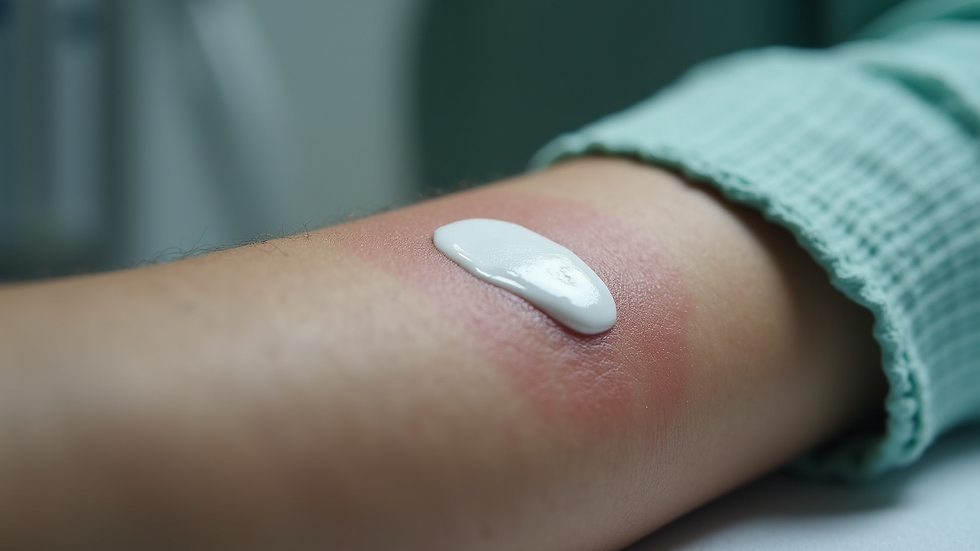
Understanding Wound Healing
Wound healing is a complex biological process that involves several stages:
Hemostasis: The body stops the bleeding through clot formation.
Inflammation: White blood cells move to the wound site to prevent infection.
Proliferation: New tissue forms, and blood vessels regenerate.
Maturation: The wound strengthens and remodels over time.
Each stage is crucial for effective healing, and any disruption can lead to complications. Traditional bandages often fail to provide the necessary conditions for optimal healing, which is where bio selfmade plaster comes into play.
What is Bio Selfmade Plaster?
Bio selfmade plaster is a natural alternative to conventional bandages. It is made from organic materials that promote healing while providing a protective barrier against bacteria and other contaminants. Unlike traditional plasters, which can trap moisture and create an unsuitable environment for healing, bio selfmade plaster allows for better air circulation and moisture control.
Key Ingredients
The effectiveness of bio selfmade plaster lies in its ingredients. Here are some common components:
Aloe Vera: Known for its soothing properties, aloe vera helps reduce inflammation and promotes skin regeneration.
Honey: A natural antibacterial agent, honey helps prevent infection and keeps the wound moist.
Beeswax: Provides a protective barrier while allowing the skin to breathe.
Essential Oils: Oils like tea tree or lavender can enhance antibacterial properties and promote healing.
Benefits of Using Bio Selfmade Plaster
Enhanced Healing Speed
One of the most significant advantages of bio selfmade plaster is its ability to accelerate healing. The natural ingredients work synergistically to create an optimal environment for tissue regeneration. Studies have shown that wounds treated with natural remedies often heal faster than those treated with conventional methods.
Reduced Risk of Infection
Bio selfmade plaster's antibacterial properties help minimize the risk of infection. By creating a protective barrier, it prevents harmful bacteria from entering the wound while allowing beneficial moisture to escape.
Comfort and Flexibility
Unlike traditional bandages, bio selfmade plaster is often more comfortable to wear. Its flexible nature allows for better movement without causing irritation. This is particularly beneficial for wounds located in areas that experience a lot of motion, such as joints.
Eco-Friendly Option
In an age where sustainability is paramount, bio selfmade plaster offers an eco-friendly alternative to conventional bandages. Made from natural ingredients, it reduces reliance on synthetic materials that can harm the environment.
How to Make Bio Selfmade Plaster
Creating your own bio selfmade plaster is simple and requires minimal ingredients. Here’s a step-by-step guide:
Ingredients
2 tablespoons of aloe vera gel
1 tablespoon of honey
1 tablespoon of beeswax
5 drops of essential oil (optional)
Instructions
Melt the Beeswax: In a double boiler, melt the beeswax until it becomes liquid.
Combine Ingredients: Once melted, remove from heat and mix in the aloe vera gel and honey. Stir until well combined.
Add Essential Oils: If using, add the essential oils and mix thoroughly.
Cool and Store: Pour the mixture into a small container and allow it to cool. Once solidified, your bio selfmade plaster is ready to use.
Practical Tips for Using Bio Selfmade Plaster
Clean the Wound
Before applying bio selfmade plaster, ensure the wound is clean. Rinse it gently with water and pat it dry with a clean cloth.
Apply Generously
When applying the plaster, use a generous amount to cover the entire wound. This ensures that the healing properties are in direct contact with the affected area.
Change Regularly
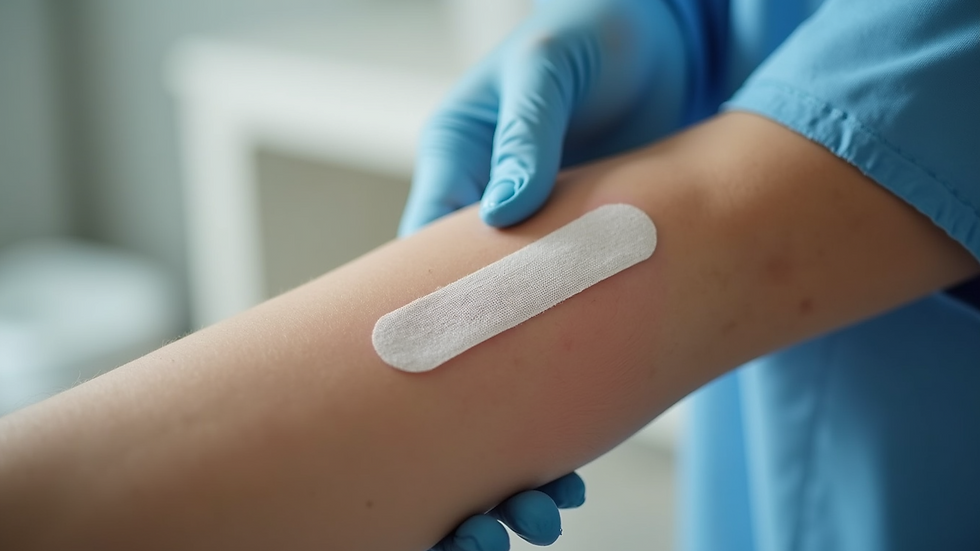
For optimal results, change the plaster every 24 hours or sooner if it becomes wet or soiled. This helps maintain a clean environment for healing.
Monitor for Infection
Keep an eye on the wound for any signs of infection, such as increased redness, swelling, or discharge. If you notice any concerning symptoms, consult a healthcare professional.
Conclusion
Bio selfmade plaster is a powerful tool for accelerating wound healing. Its natural ingredients not only promote faster recovery but also reduce the risk of infection and provide a comfortable alternative to traditional bandages. By making your own bio selfmade plaster, you can take control of your healing process while also contributing to a more sustainable future.
As you explore this innovative approach to wound care, remember to prioritize cleanliness and monitor your wounds closely. With the right care, you can enhance your healing journey and enjoy the benefits of this remarkable alternative.
Take the next step in your healing journey by trying out bio selfmade plaster today!
Kommentare