
Innovative Adhesive Bandage for Faster Recovery
- Michela Burgio
- 9. Dez. 2025
- 3 Min. Lesezeit

In the world of healthcare, the quest for faster recovery methods is a constant pursuit. Traditional adhesive bandages have served us well, but they often fall short in promoting optimal healing. Enter the innovative adhesive bandage, a breakthrough that promises not only to protect wounds but also to enhance the healing process. This blog post explores the features, benefits, and future of these advanced bandages, providing insights into how they can transform wound care.
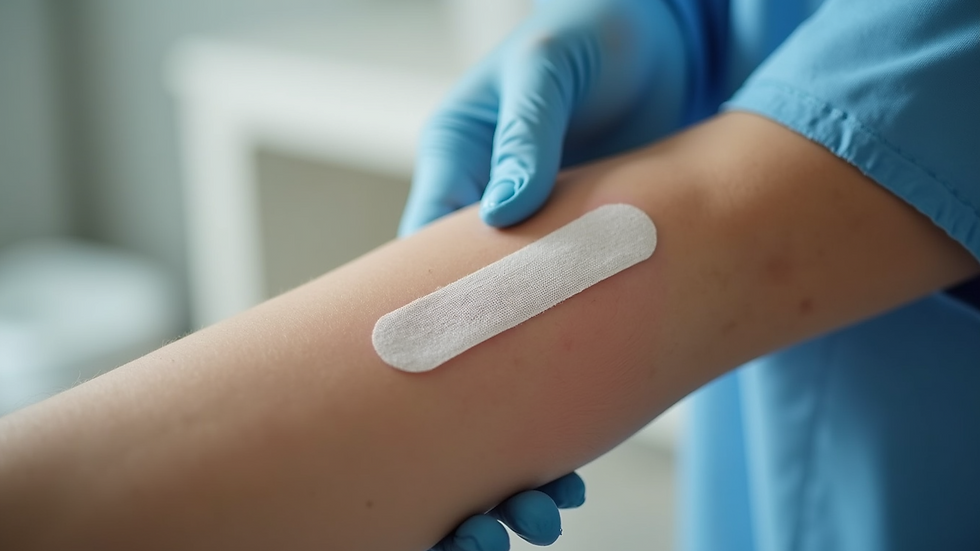
Understanding Traditional Adhesive Bandages
Before diving into the innovations, it’s essential to understand the limitations of traditional adhesive bandages. These bandages typically consist of a sterile pad attached to a sticky backing. While they are effective for minor cuts and scrapes, they often lack features that support faster healing.
Limitations of Traditional Bandages
Moisture Control: Many traditional bandages do not effectively manage moisture, which can lead to maceration of the skin around the wound.
Infection Risk: Without proper antimicrobial properties, traditional bandages can become breeding grounds for bacteria.
Adhesion Issues: They may not adhere well to all skin types, leading to premature peeling and exposure of the wound.
The Rise of Innovative Adhesive Bandages
Innovative adhesive bandages are designed to address these shortcomings. They incorporate advanced materials and technologies that not only protect the wound but also create an optimal healing environment.
Key Features of Innovative Bandages
Moisture Management: These bandages often feature breathable materials that allow moisture to escape while keeping the wound hydrated. This balance is crucial for promoting cell regeneration.
Antimicrobial Properties: Many innovative bandages are infused with antimicrobial agents that help prevent infections. This is particularly important for wounds that are at a higher risk of becoming infected.
Flexible and Comfortable: Unlike traditional bandages, innovative options are designed to conform to the body’s contours, providing comfort and flexibility. This is especially beneficial for active individuals.
Smart Technology: Some of the latest bandages come equipped with sensors that monitor the wound's condition. These smart bandages can alert users to changes that may require medical attention.
Benefits of Using Innovative Adhesive Bandages
The advantages of these advanced bandages extend beyond just wound protection. Here are some key benefits:
Faster Healing Times
Research indicates that wounds treated with innovative adhesive bandages heal significantly faster than those covered with traditional options. The moisture-retentive properties and antimicrobial agents work together to create an environment conducive to healing.
Reduced Pain and Discomfort
Patients often report less pain and discomfort when using innovative bandages. The materials used are designed to minimize irritation and provide a cushioning effect over the wound.
Enhanced Mobility
Because these bandages are flexible and comfortable, they allow for greater mobility. This is particularly important for athletes or individuals with active lifestyles who need to keep moving without being hindered by their wound care.
Cost-Effectiveness
While innovative adhesive bandages may have a higher upfront cost, their ability to promote faster healing can lead to reduced overall healthcare costs. Fewer doctor visits and less time off work can offset the initial investment.
Real-World Applications
Innovative adhesive bandages are being used in various settings, from hospitals to home care. Here are a few examples of their application:
Sports Medicine
Athletes often face injuries that require quick and effective treatment. Innovative bandages are being used to treat everything from minor cuts to more serious abrasions, allowing athletes to return to their sport faster.
Post-Surgical Care
After surgery, patients need to protect their incisions while promoting healing. Innovative bandages provide the necessary protection and support, reducing the risk of complications.
Chronic Wound Management
For individuals with chronic wounds, such as diabetic ulcers, innovative bandages can significantly improve healing outcomes. Their moisture management and antimicrobial properties are particularly beneficial in these cases.
The Future of Wound Care
As technology continues to advance, the future of adhesive bandages looks promising. Researchers are exploring new materials and technologies that could further enhance wound healing.
Potential Innovations
Bioengineered Bandages: Future bandages may incorporate bioengineered materials that mimic the body’s natural healing processes.
Wearable Technology: The integration of wearable technology could lead to bandages that not only monitor wounds but also deliver medication directly to the site.
Personalized Bandages: Advances in 3D printing may allow for the creation of personalized bandages tailored to individual patients’ needs.
Conclusion
The development of innovative adhesive bandages marks a significant advancement in wound care. By addressing the limitations of traditional bandages, these new options offer faster healing, reduced pain, and enhanced mobility. As technology continues to evolve, we can expect even more exciting developments in this field. For anyone dealing with wounds, whether from sports injuries or surgical procedures, considering an innovative adhesive bandage could be a step toward a quicker recovery.
With the right tools and knowledge, we can all take charge of our healing journey. Explore the options available and make informed choices about your wound care.
Kommentare